Strategic Integration of Abstract Futuristic Design Elements for Modern Branding
In the rapidly evolving landscape of digital communication, visual identity serves as the primary interface between a brand and its audience. The Abstract Futuristic Design Element has emerged not merely as an aesthetic trend, but as a strategic asset for organizations aiming to project innovation, forward-thinking capabilities, and technological sophistication. When deployed with intention, these geometric forms, fluid gradients, and neon-infused structures do more than decorate a webpage; they signal a company's readiness for the future. However, the efficacy of such design relies heavily on context, execution, and alignment with broader business objectives.
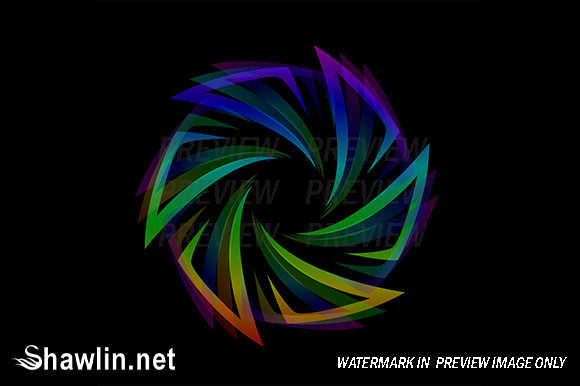
Understanding the utility of an Abstract Futuristic Design Element requires looking beyond its immediate visual appeal. At its core, this style utilizes non-representational shapes and advanced color palettes to evoke feelings of progress and limitless potential. For entrepreneurs and marketers, this translates into a powerful tool for positioning. In saturated markets where competitors often rely on safe, traditional imagery, adopting a futuristic abstract approach can create immediate differentiation. It suggests that your product or service is not stuck in the past but is actively shaping what comes next.
Aligning Visual Assets with Strategic Goals
The decision to incorporate an Abstract Futuristic Design Element into your creative toolkit should be driven by specific strategic goals rather than a desire to simply follow a trend. Effective planning begins with identifying the message you intend to convey. Are you launching a tech startup that needs to establish credibility in the AI sector? Are you rebranding a financial firm to appear more agile and digital-first? In these scenarios, the right visual element acts as a shorthand for complex value propositions.
Consider the impact on customer experience. When a user lands on a site or views a presentation featuring high-quality futuristic vectors, their perception of your operational capability shifts. The precision and clarity inherent in vector-based abstract designs mirror the efficiency and accuracy you promise in your services. This psychological association is subtle but potent. It reinforces the narrative that your organization is meticulous, modern, and capable of handling complex challenges.
Furthermore, these elements support long-term branding efforts by providing a flexible foundation. Unlike photographic assets that can date quickly or require expensive reshoots, a well-crafted Abstract Futuristic Design Element possesses a timeless quality rooted in fundamental geometric principles. As your brand evolves, these assets can be recolored, resized, or reconfigured without losing their core identity, ensuring consistency across various touchpoints from social media headers to large-format trade show displays.
Technical Advantages and Operational Efficiency
From an operational standpoint, the format in which you acquire and deploy these assets matters significantly. Professional workflows demand versatility. This is why accessing an Abstract Futuristic Design Element in a Vector EPS file is critical for serious creators and decision-makers. Vector formats ensure that your graphics remain crisp and pixel-perfect regardless of scale. Whether you are printing a business card or a billboard, the integrity of the design is maintained.
A crucial consideration for teams working with diverse software ecosystems is compatibility. Many premium design resources are optimized only for the latest software versions, creating friction for agencies or freelancers who may not have immediately upgraded their tools. A strategic advantage of high-quality asset packs is the inclusion of files saved in older versions. This ensures that you can open and edit the file even if you are running legacy software, preventing workflow bottlenecks and ensuring that your team can hit the ground running without technical hurdles.
In addition to vector flexibility, the inclusion of high-resolution JPG formats zipped together provides immediate utility for rapid deployment. While vectors are essential for print and master files, high-res raster images are often needed for quick web uploads, social media posts, or draft presentations. Having both formats available streamlines the production process, allowing marketers to move from concept to publication faster. It is also vital to note that professional assets should arrive without watermarks inside the final deliverables. Watermarks on preview images serve their purpose in protecting intellectual property during the browsing phase, but the final product must be clean to maintain professional standards and avoid legal ambiguities regarding usage rights.
Practical Applications Across Industries
The versatility of the Abstract Futuristic Design Element allows it to be applied across a wide spectrum of industries, provided the application is thoughtful. Here are several strategic use cases:
- Tech and SaaS Launches: Use dynamic, flowing lines to represent data streams or connectivity in landing page heroes. This visually communicates speed and integration.
- Educational Materials: Educators and publishers can utilize these elements to make complex scientific or technological topics feel accessible and exciting, engaging students who are native to digital environments.
- Corporate Presentations: Replace bullet-point-heavy slides with abstract background motifs that guide the eye and reinforce key themes of innovation during investor pitches.
- Packaging Design: For consumer goods, particularly in the beauty or electronics sectors, futuristic abstract patterns can elevate perceived value and shelf presence.
- App Interfaces: Subtle use of these elements in UI backgrounds can add depth and character without distracting from usability, enhancing the overall user journey.
For freelancers and small business owners, the ability to customize these elements is paramount. Because the files are vector-based, you can alter colors to match your specific brand guidelines precisely. This level of customization ensures that while you are using a popular design style, the end result feels unique to your brand identity rather than generic.
Risks of Unintentional Implementation
While the benefits are substantial, there are risks associated with using an Abstract Futuristic Design Element without a clear strategy. The primary danger lies in dissonance. If a traditional law firm or a rustic organic food brand suddenly adopts harsh neon geometrics without a narrative bridge, it can confuse the audience and erode trust. Design must always serve the story; when it overwhelms the message, it becomes noise.
Another risk is over-saturation. Because this style is popular, there is a temptation to use it everywhere. Without careful curation, a brand can look like it is trying too hard to be "cool," which can come across as inauthentic to discerning adults aged 20–50. The key is restraint. Use these elements to highlight, not to dominate. They should frame your content, not obscure it.
Additionally, relying on low-quality sources can lead to technical failures. Pixelated edges or limited color modes can ruin a professional print job. This underscores the importance of sourcing assets that offer true vector scalability and high-resolution alternatives. Always verify that the files you download are clean and ready for commercial use, free from hidden watermarks that could compromise your final output.
Making Informed Decisions for Long-Term Value
Integrating an Abstract Futuristic Design Element into your portfolio is an investment in your brand's visual capital. To maximize this investment, approach the selection process with the same rigor you would apply to hiring a key employee or selecting a software platform. Evaluate the flexibility of the files, the compatibility with your current tools, and the alignment with your long-term vision.
Thoughtful use involves planning for scalability. Ask yourself: Will this design still work if we expand into new markets? Can it be adapted for video motion graphics later? The best design assets are those that grow with you. By choosing versatile, high-quality vectors that are compatible with older software versions, you future-proof your creative operations against technological shifts.
Ultimately, the goal is to achieve better results through clearer communication. When used correctly, these abstract forms cut through the clutter of the digital world, drawing the eye and holding attention. They provide a canvas upon which your ideas can shine, framed by a sense of possibility and advancement.
If your current projects require a specific variation or a tailored approach that off-the-shelf assets cannot meet, do not hesitate to seek custom solutions. Many designers offer the option to contact them for custom requests via a contact form on their website. This ensures that your specific strategic needs are met with a bespoke solution, further enhancing your brand's unique position in the market.
In conclusion, the Abstract Futuristic Design Element is more than a graphic; it is a strategic lever. When pulled with precision, it elevates branding, enhances communication, and signals a commitment to the future. By prioritizing quality, compatibility, and intentional application, professionals can harness these tools to drive meaningful engagement and achieve lasting success in a competitive digital economy.