Mastering the Art of the Perfect Happy Mother's Day Card: A Guide to Digital Designs and Vector Files
Mother's Day is one of the most cherished holidays globally, a time dedicated to honoring the matriarchs who shape our lives. In the digital age, the way we express this gratitude has evolved from handwritten notes on store-bought paper to sophisticated, customizable digital creations. Whether you are a graphic designer looking for high-quality assets, a small business owner creating marketing materials, or a tech-savvy individual wanting to print a unique gift at home, understanding the mechanics behind a Happy Mother's Day card design is essential. This guide explores the significance of vector graphics, file compatibility, and the practical application of these digital tools in modern creativity.
Why Choose a Digital Vector Design?
At the heart of professional greeting card design lies the concept of vector graphics. Unlike standard photographs or pixel-based images (known as raster images), vectors are mathematical equations that define lines, curves, and shapes. When you download a Happy Mother's Day card that includes an illustration in a Vector EPS file, you are acquiring a asset of infinite scalability.
Consider the difference: if you take a standard JPEG image and enlarge it to the size of a billboard, it becomes blocky and pixelated. However, a vector file can be scaled up to the size of a building or down to the size of a stamp without losing a single ounce of clarity. This makes vector files indispensable for:
- Professional Printing: Ensuring crisp edges and vibrant colors on high-end cardstock.
- Versatility: Using the same design for a small greeting card, a large poster, or a social media banner.
- Editing: Allowing designers to change colors, swap elements, or adjust typography easily within software like Adobe Illustrator or CorelDRAW.
For those creating a heartfelt tribute, starting with a vector base means your final product will look polished and professional, regardless of the output medium.
Understanding File Compatibility: The Importance of Older Versions
One of the most common frustrations in the digital design community is software incompatibility. You might find a perfect Happy Mother's Day card template, only to discover that your version of design software cannot open the file because it was saved in a newer format. This is where the value of backward compatibility shines.
High-quality design packages often address this by including the illustration in a Vector EPS file in the older version. The Encapsulated PostScript (EPS) format is a legacy standard that has been supported by almost every major graphic design program for decades. By providing files saved in older versions, creators ensure that users with legacy software—perhaps running on older computers in schools, non-profits, or small businesses—can still access and utilize the design.
This inclusivity is crucial for democratizing creativity. It ensures that the barrier to entry isn't the cost of the latest software subscription, but rather the creativity of the user. When you see a package offering "older version" compatibility, it signals a commitment to accessibility, allowing a broader audience to participate in the joy of creating custom greetings.
The Role of High-Resolution JPGs in Daily Use
While vectors are the powerhouse for designers, not everyone has the time or expertise to manipulate complex bezier curves. This is why comprehensive design bundles also include a high-resolution JPG format zipped together with the vector files. But what makes a JPG "high-resolution," and why does it matter?
Resolution refers to the density of pixels in an image, typically measured in DPI (dots per inch). For print purposes, an image needs to be at least 300 DPI to appear sharp to the human eye. A low-resolution image taken from a website might look fine on a phone screen but will appear blurry and amateurish when printed on a 5x7 inch card.
By providing a high-resolution JPG, the creator offers a "ready-to-use" solution for:
- Home Printers: Users can simply download, open in a word processor or basic photo editor, and print immediately.
- Digital Sharing: Sending a beautiful, clear image via email or messaging apps without worrying about file corruption.
- Social Media: Posting a visually stunning tribute that retains its quality on high-definition smartphone screens.
The convenience of having both formats in a single zip file caters to all skill levels, from the novice user who just wants to hit "print" to the advanced designer who wants to deconstruct and rebuild the artwork.
Design Aesthetics: Square and Centered Layouts
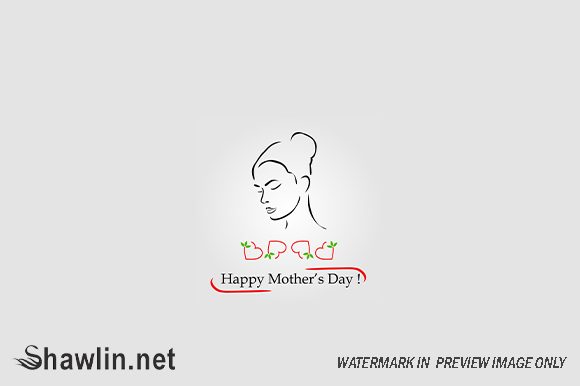
Beyond technical specifications, the visual composition of a Happy Mother's Day card plays a pivotal role in its emotional impact. Many modern designs favor a square and centered layout. Why has this style become so popular?
A square format is inherently balanced. It mimics the aspect ratio of many social media platforms like Instagram, making the transition from digital display to physical print seamless. Furthermore, a centered design draws the eye directly to the focal point—whether it's a floral arrangement, a heartfelt message, or an illustration of a mother and child. This symmetry evokes feelings of stability, harmony, and calm, which are perfectly suited for a day dedicated to appreciation and love.
In contrast to asymmetrical or chaotic layouts, a centered design feels traditional yet timeless. It allows the typography to breathe and ensures that the message "Happy Mother's Day" is the undisputed hero of the composition. When selecting a template, looking for these structural qualities can help ensure your final card feels intentional and elegant.
Navigating Watermarks and Usage Rights
When browsing for digital assets online, one of the most confusing aspects for beginners is the presence of watermarks. It is vital to distinguish between preview images and the actual downloadable product. Reputable creators will place a WATERMARK ONLY ON PREVIEW IMAGE to protect their intellectual property while showcasing the design on their marketplace.
However, once you purchase or download the legitimate file, the expectation—and standard practice—is that there is NO WATERMARK INSIDE the final deliverable. A clean file is essential for a professional result. Imagine printing a beautiful card for your mother, only to have a diagonal "Sample" text ruining the sentiment. That is why verifying the product description is key. Always ensure the listing explicitly states that the downloaded ZIP file contains clean, watermark-free assets ready for personal or commercial use, depending on the license.
This distinction protects both the artist, who gets credit and compensation for their work, and the buyer, who receives a usable product. It builds trust in the digital marketplace and ensures a smooth user experience.
Customization and the Human Touch
Even with the best templates, sometimes you need something truly unique. Perhaps you want to incorporate a specific family inside joke, a beloved pet, or a specific color scheme that matches your mother's favorite flowers. This is where the option for customization becomes invaluable.
Many independent designers offer the flexibility to tailor designs to your specific needs. If a standard template doesn't quite fit the bill, you should feel empowered to reach out. As noted by many creators: "Please feel free to contact me for custom requests using the contact form in my website."
This level of service transforms a transactional download into a collaborative creative process. Whether you need a slight tweak to the typography or a completely bespoke illustration, direct communication with the artist can result in a one-of-a-kind Happy Mother's Day card that carries even more meaning. It bridges the gap between mass-produced greetings and handmade artistry, leveraging technology to foster personal connection.
Conclusion: Blending Technology with Tradition
The evolution of the Happy Mother's Day card illustrates how technology can enhance, rather than replace, tradition. By utilizing vector EPS files, ensuring compatibility with older software, and providing high-resolution alternatives, digital designers empower us to create gifts that are both visually stunning and deeply personal.
Whether you are editing a square, centered vector file in a professional studio or printing a high-res JPG at your local library, the core purpose remains the same: to express love and gratitude. Understanding the tools at your disposal—from file formats to layout principles—allows you to navigate the digital landscape with confidence. So, this Mother's Day, consider going beyond the generic store aisle. Embrace the versatility of digital design to craft a message that is as unique and enduring as the bond you share with your mother.
Remember, the best card isn't just about the paper or the pixels; it's about the thought and effort you put into making your mother feel celebrated. With the right resources and a little creativity, you can create a keepsake she will treasure forever.