Evaluating the Medical Doctor Vector Profile for Professional Design
In the realm of healthcare branding, medical communications, and educational material creation, the visual representation of medical professionals plays a pivotal role. A Medical Doctor Vector Profile serves as a foundational asset for designers, marketers, and healthcare administrators seeking to convey professionalism, trust, and expertise. When evaluating digital assets for these purposes, understanding the technical specifications and practical applications of vector files versus raster images is essential. This article explores the utility of such profiles, specifically focusing on high-quality resources created with software like Adobe Illustrator, and helps readers determine if this type of asset aligns with their specific project requirements.
Understanding the Medical Doctor Vector Profile
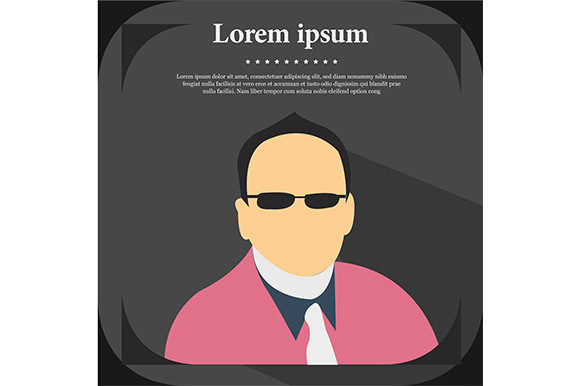
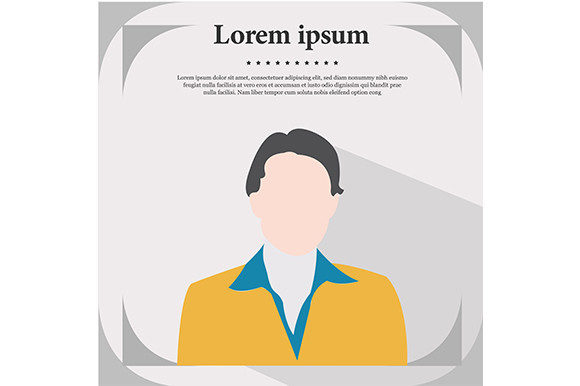
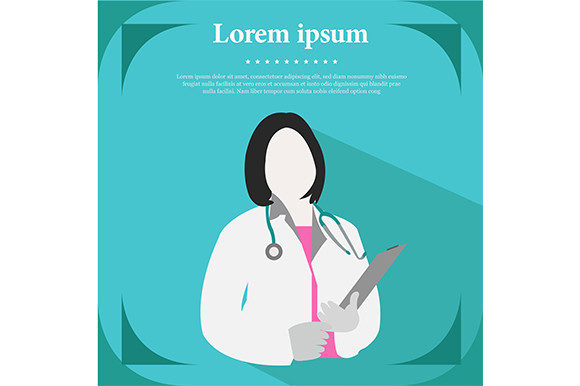
A Medical Doctor Vector Profile is a digital illustration or icon representing a physician, typically characterized by clean lines, scalable geometry, and professional attire such as a white coat or stethoscope. Unlike standard photographs or low-resolution screenshots, a true vector file is constructed using mathematical paths rather than a grid of pixels. This distinction is critical for quality assurance. When a resource is described as being created in Adobe Illustrator, it implies that the artwork consists of editable paths, allowing for infinite scalability without any loss of clarity.
Often, these assets are distributed in comprehensive packages to accommodate various user needs. A typical high-quality download might include an EPS Vector File for editing, alongside a high-resolution JPG file rendered at 300 DPI on a white background. The inclusion of a zipped file containing multiple formats ensures that the end-user has flexibility regardless of their software capabilities. It is important to note that while preview images on stock websites may appear pixelated or contain watermarks to protect intellectual property, the final downloaded product is rendered at a much higher quality, free of any obstructions.
Why Professionals Seek High-Quality Vector Assets
The decision to utilize a vector profile over a generic clipart image or a stock photograph often stems from specific design constraints and brand standards. Healthcare organizations, from private clinics to large hospital networks, require consistency across all touchpoints. A vector icon allows a brand to maintain a uniform visual identity whether the image is displayed on a massive billboard or a small mobile app icon.
Furthermore, the separation of layers in a professionally crafted vector file offers significant advantages. Designers can easily modify colors to match corporate branding guidelines, adjust line weights for different printing methods, or isolate specific elements of the doctor's profile for composite layouts. For those who do not have access to advanced editing software, the inclusion of a 300 DPI JPG provides a ready-to-use alternative that still maintains print-ready resolution, ensuring that the output remains crisp and professional.
Benefits and Technical Considerations
When integrating a Medical Doctor Vector Profile into a workflow, several benefits become apparent. The primary advantage is scalability. Because the image is defined by vectors, it can be resized to any dimension without becoming blurry or pixelated. This is particularly valuable for large-format printing, such as banners for medical conferences or vehicle wraps for mobile health units.
Another significant benefit is file efficiency. Vector files, particularly EPS formats, often have smaller file sizes compared to high-resolution photographic equivalents, yet they retain superior sharpness. This makes them ideal for web use where loading speed is a factor, provided they are exported correctly. The promise of a "no watermark" download is also a crucial consideration for commercial projects; watermarked images are strictly for evaluation and cannot be used in final deliverables. Securing a clean, high-resolution file ensures legal compliance and aesthetic integrity.
However, there are tradeoffs to consider. While vector files offer editability, they require specific software, such as Adobe Illustrator, CorelDRAW, or Inkscape, to manipulate the underlying paths. Users unfamiliar with these tools may find the EPS file less immediately useful than the included JPG. Additionally, vector art tends to have a stylized, illustrative look. While this conveys a modern and clean aesthetic, it may lack the emotional depth and specific realism of a candid photograph of an actual doctor, which might be necessary for certain patient-centric storytelling campaigns.
Ideal Use Cases for Vector Profiles
A Medical Doctor Vector Profile is a strong fit for scenarios requiring abstraction and universality. For instance, when designing infographics explaining medical procedures, a stylized vector icon prevents distraction and keeps the focus on the data. Similarly, for user interface (UI) design in telehealth applications, vector icons provide clear, recognizable symbols that function well at small sizes on various screen resolutions.
Corporate branding is another area where these assets excel. If a clinic is launching a new logo or updating its stationery, a custom-colored vector profile can be integrated seamlessly into letterheads, business cards, and appointment reminders. The ability to render the file at 300 DPI ensures that these printed materials meet professional industry standards. Educational institutions also benefit from these resources when creating textbooks or presentation slides where a generic, neutral representation of a physician is needed to illustrate a point without endorsing a specific individual.
When to Consider Alternatives
Despite their versatility, vector profiles are not the solution for every project. If the goal is to build a deep emotional connection with patients by showcasing the actual faces of the medical team, high-resolution photography is the superior choice. Real photos convey empathy, diversity, and humanity in ways that illustrations sometimes cannot. In marketing campaigns focused on "meeting your doctor," a stock vector may feel too impersonal or generic.
Additionally, if the target audience expects a highly realistic or artistic rendering, a flat or semi-flat vector style might appear too simplistic. In such cases, 3D renders or detailed digital paintings might be more appropriate, though these come with their own limitations regarding scalability and file size. Readers should evaluate their specific communication goals: is the priority clarity and brand consistency, or is it emotional resonance and realism?
Making the Right Decision for Your Project
Selecting the right visual asset involves balancing technical needs with creative objectives. Before downloading a Medical Doctor Vector Profile, assess your software capabilities. If you have access to Adobe Illustrator or similar tools, prioritize packages that include the EPS vector file to maximize flexibility. If your workflow is limited to word processors or basic image viewers, ensure the package includes a high-resolution JPG (300 DPI) that meets your printing needs without requiring further conversion.
Always verify the licensing terms to ensure the asset can be used for your intended commercial or educational purpose. Look for descriptions that guarantee no watermarks on the final download and confirm that the preview quality does not reflect the final product's resolution. By understanding the distinction between the illustrative nature of vectors and the realism of photography, and by matching these attributes to your project's scope, you can make an informed decision that enhances the professionalism and effectiveness of your healthcare communications.
In conclusion, a high-quality Medical Doctor Vector Profile is an invaluable tool for maintaining visual consistency and professional standards in medical design. Whether utilized for large-scale printing or digital interfaces, the combination of editable vector paths and high-resolution raster backups provides a robust foundation for diverse creative projects. By carefully weighing the benefits of scalability against the need for photographic realism, designers and decision-makers can select the assets that best serve their audience and organizational goals.