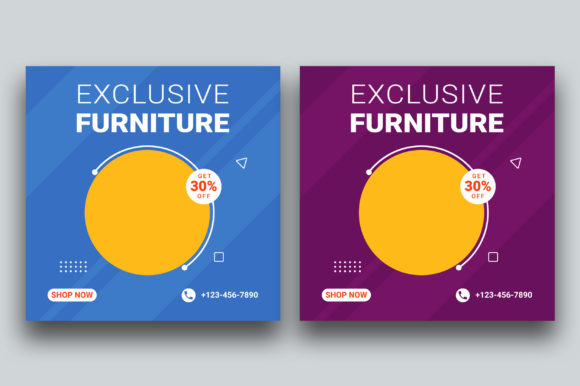
Elevating Brand Presence with Exclusive Furniture Social Media Post Templates
In the contemporary digital landscape, visual communication serves as the primary bridge between a brand and its potential customers. For businesses operating within the interior design, home decor, and luxury furniture sectors, the ability to present products with sophistication and clarity is not merely an aesthetic choice but a strategic imperative. The concept of an Exclusive Furniture Social Media Post extends beyond simple image sharing; it represents a curated approach to digital marketing where design precision meets platform-specific optimization. By utilizing professional templates tailored for platforms like Facebook and Instagram, brands can ensure that their unique identity is conveyed consistently, fostering trust and engagement among a diverse audience ranging from individual consumers to industry professionals.
The Strategic Importance of High-Resolution Visuals in Digital Marketing
The foundation of any effective social media strategy lies in the quality of its visual assets. When showcasing furniture, details matter immensely. The texture of fabric, the grain of wood, and the finish of metal components must be visible to the viewer to convey value. This is where technical specifications such as 300 DPI resolution become critical. While standard web graphics often suffice for casual browsing, high-end furniture marketing demands a level of crispness that mimics the in-store experience. A template designed with 300 DPI ensures that even when images are scaled or viewed on high-density retina displays, the product retains its sharpness and allure.
Furthermore, the color fidelity provided by RGB color mode is essential for accurate representation. Furniture buyers rely heavily on color accuracy to determine if a piece fits their existing decor. Professional templates optimized for RGB ensure that the hues displayed on screens match the designer's intent as closely as possible, reducing the likelihood of customer dissatisfaction due to color discrepancies. This attention to technical detail signals to the audience that the brand cares about quality, extending that perception from the digital advertisement to the physical product itself.
Customizability as a Tool for Brand Identity
One of the most significant advantages of using a professionally designed template is the flexibility it offers in expressing brand identity. Every furniture brand has a unique voice—some may emphasize rustic warmth, while others focus on sleek, modern minimalism. A rigid design format can stifle this expression, but a template built for Adobe Illustrator provides the necessary freedom to adapt. Users can modify text, swap images, and adjust color palettes quickly and easily, ensuring that each post aligns perfectly with current marketing campaigns or seasonal trends.
The ability to edit these elements without compromising the structural integrity of the design is a hallmark of professional-grade assets. For instance, a business owner launching a summer collection can instantly update the template with vibrant colors and outdoor furniture imagery, while an educator teaching interior design might use the same framework to highlight ergonomic features with a more neutral palette. This adaptability makes the Exclusive Furniture Social Media Post template a versatile tool for various stakeholders, including creators, researchers, and hobbyists who need to present information clearly and attractively.
Streamlining the Content Creation Workflow
Efficiency is a crucial consideration for businesses managing multiple social media channels. Creating high-quality graphics from scratch for every post is time-consuming and often requires advanced design skills. By leveraging a pre-structured template, teams can significantly reduce the time spent on production. The workflow becomes streamlined: select the base design, import high-quality product photography, update the copy to reflect specific selling points, and export for publication. This process allows marketing teams to focus more on strategy and audience engagement rather than getting bogged down in technical design tasks.
Moreover, the inclusion of free fonts within the template eliminates licensing hurdles. Designers and business owners can utilize typography that complements the brand without worrying about additional costs or legal restrictions. This feature is particularly beneficial for small businesses and independent creators who need to maintain professional standards while managing tight budgets. The seamless integration of typography and imagery ensures that the final output looks cohesive and polished, regardless of who is performing the edits.
Optimizing for Platform-Specific Engagement
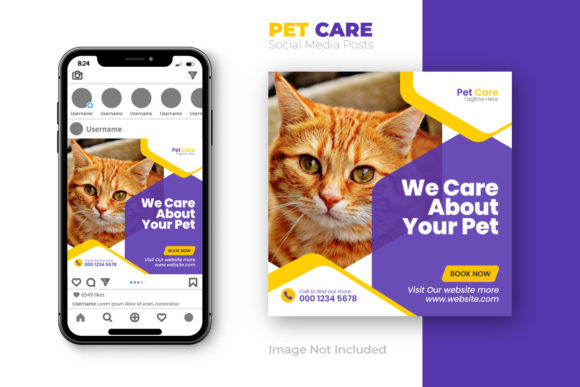
Different social media platforms have distinct user behaviors and technical requirements. Instagram, for example, thrives on visually striking, square-format images that capture attention within seconds as users scroll through their feeds. The standard 1080x1080 px dimension provided in these templates is specifically calibrated for this environment, ensuring that the content fills the screen optimally without cropping essential details. Similarly, Facebook users respond well to clear, informative posts that can be shared easily within communities. A template designed with these dimensions in mind guarantees that the content looks professional across both ecosystems.
Engagement is driven not just by the image but by how the information is structured within the visual frame. An effective social media post guides the viewer's eye from the headline to the product image and finally to the call to action. Professional templates are engineered with these visual hierarchies in mind. They allocate space for compelling headlines, high-impact product shots, and concise descriptive text, creating a balanced composition that encourages interaction. Whether the goal is to drive traffic to a website, increase brand awareness, or generate direct sales, the layout plays a pivotal role in achieving these objectives.
Applications Across Diverse User Groups
The utility of a high-quality social media template extends far beyond traditional retail. Professionals such as interior designers can use these layouts to showcase their portfolio pieces, adding context and style notes to their project photos. Educators and researchers in the field of design can utilize the format to disseminate knowledge about furniture history, materials, or sustainability practices, making complex information accessible and engaging. Hobbyists and DIY enthusiasts can also benefit, using the templates to document their restoration projects or share design inspiration with like-minded communities.
For business owners, the template serves as a consistent branding tool. It ensures that every post, whether it announces a sale, introduces a new arrival, or shares a customer testimonial, adheres to the brand's visual guidelines. This consistency builds recognition and trust over time. Consumers, on the other hand, benefit from a clearer, more enjoyable browsing experience. High-quality visuals help them make informed decisions, visualize products in their own spaces, and feel confident in their purchases.
Technical Considerations and Best Practices
While the template provides the structure, the quality of the final output depends largely on the assets used within it. It is important to note that preview images in template demonstrations are often for illustration purposes only and are not included in the downloadable files. Users must source their own high-resolution photography to populate the design. When selecting images, one should prioritize lighting and composition. Natural light often works best for furniture, highlighting textures without creating harsh shadows. Additionally, ensuring that the aspect ratio of the imported photos matches the placeholder frames prevents distortion and maintains the professional look of the design.
Editing in Adobe Illustrator offers vector-based precision, meaning that text and graphical elements remain sharp at any size. However, users should be mindful of file management. Keeping layers organized and naming them logically facilitates future edits and collaboration among team members. Since the template supports easy customization of colors, brands should have their specific hex codes ready to ensure brand consistency. Testing the design on multiple devices before publishing can also help identify any potential issues with readability or layout shifts.
The Role of Exclusivity in Market Differentiation
In a saturated market, standing out is challenging. Using a generic or overused template can dilute a brand's perceived value. An Exclusive Furniture Social Media Post template implies a level of uniqueness and thoughtfulness in presentation. It suggests that the brand invests in its image and respects its audience enough to provide high-quality visual content. This perception of exclusivity can be a powerful differentiator, attracting customers who value quality and attention to detail.
Furthermore, the professional nature of these designs encourages sharing. Users are more likely to repost or save content that is visually appealing and informative. This organic reach amplifies the brand's message without additional advertising spend. By combining aesthetic appeal with functional design, these templates serve as a catalyst for growth, helping brands connect with their audience on a deeper level.
Future-Proofing Your Social Media Strategy
The digital landscape is ever-evolving, with trends in design and user preferences shifting rapidly. However, the fundamental principles of good design—clarity, balance, and relevance—remain constant. Investing in a robust, editable template infrastructure allows brands to adapt to these changes swiftly. Whether the trend moves towards bold typography, minimalist aesthetics, or vibrant color blocking, a flexible template can accommodate these shifts without requiring a complete overhaul of the design system.
Ultimately, the goal of utilizing such tools is to enhance the connection between the brand and the consumer. By presenting furniture in the best possible light, brands can inspire confidence, spark desire, and drive action. The Exclusive Furniture Social Media Post is more than just a graphic; it is a strategic asset that supports broader marketing objectives, fosters brand loyalty, and elevates the overall customer experience. Through careful selection of images, thoughtful customization, and adherence to high technical standards, businesses can leverage these templates to achieve meaningful results in the competitive world of social media marketing.